


Stay Current PSA Newsroom
November 3, 2026
How to Become a First Officer Pilot
For aspiring airline pilots, becoming a First Officer is the point where years of training and flight experience can lead to a seat on a professional flight deck. Reaching that point requires more than logging hours. Pilots must earn the right certificates and ratings, build qualifying experience, and meet the standards set by the FAA and the airline they hope to join.
At PSA Airlines, the final steps include qualifying for the company’s First Officer role and moving into airline flying with the training and experience built along the way.
What Does a First Officer Pilot Do?
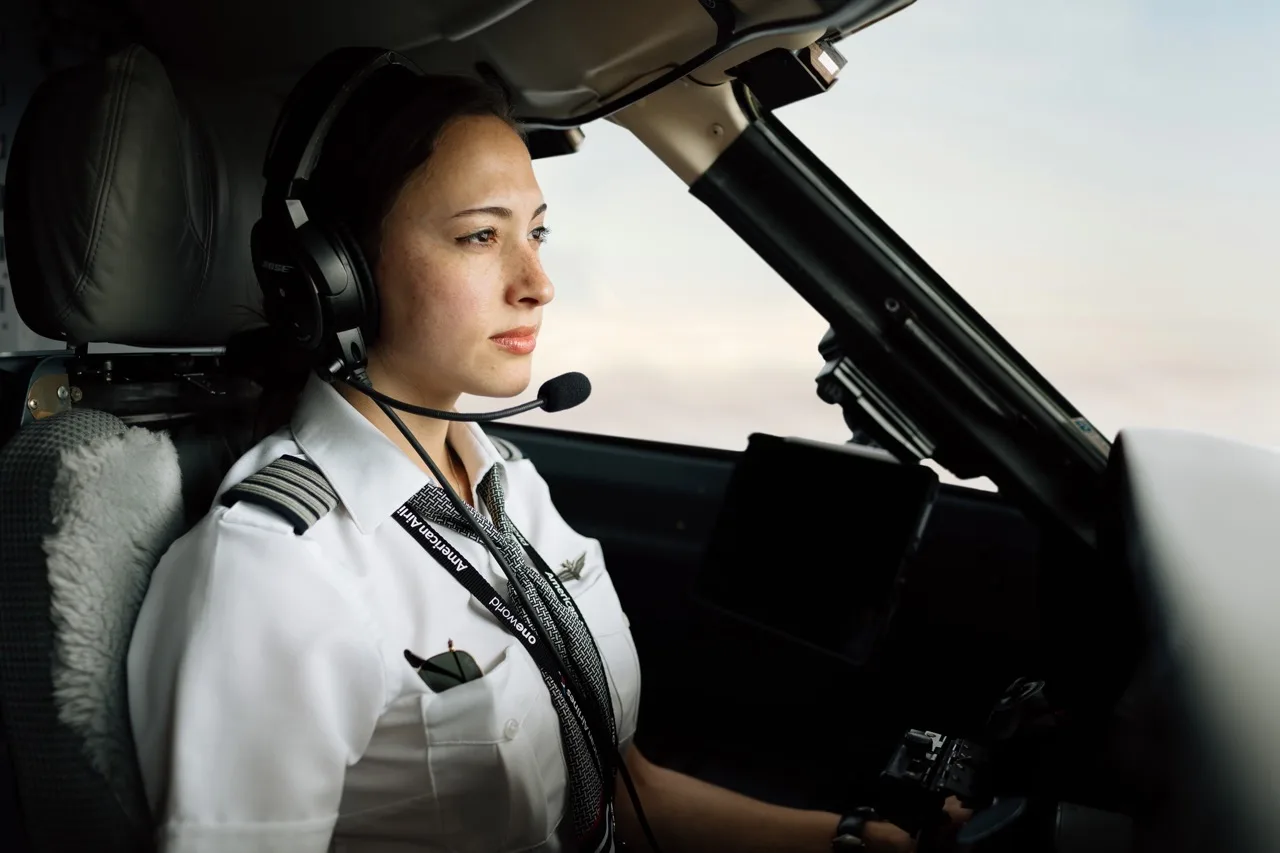
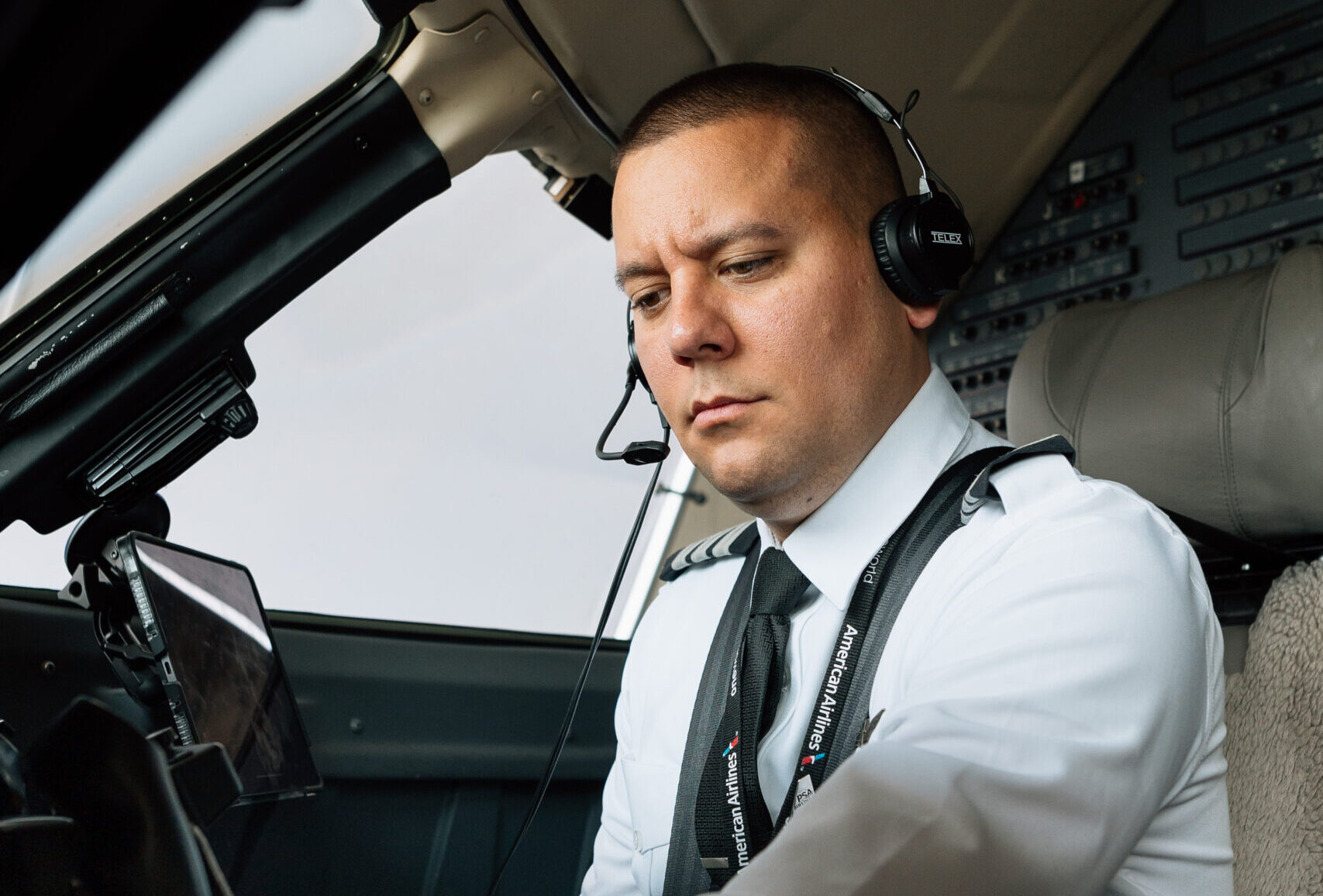
A First Officer is a fully qualified pilot who works alongside the Captain to operate the aircraft safely. The role can include flying the aircraft, monitoring systems, communicating with air traffic control, and handling preflight, in-flight, and post-flight responsibilities. First Officers are also fully qualified to land the aircraft and regularly share flying duties with the Captain.
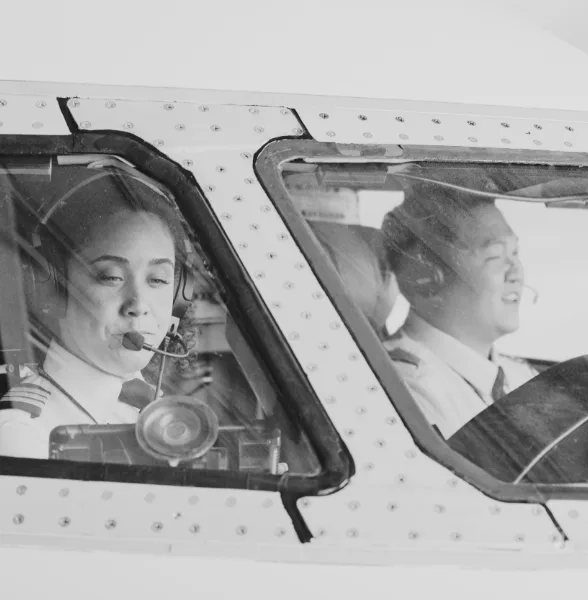
The Captain has overall command, but the First Officer is closely involved in how each flight is carried out. Duties are typically divided between flying and monitoring responsibilities, with those roles switching as assigned. That shared structure keeps both crew members engaged in planning, checklists, aircraft performance, communications, and decision-making throughout the trip.
Because the role carries real operational responsibility, it demands strong judgment, precision, and coordination in the cockpit. As First Officers gain experience and seniority, they may become eligible to upgrade to Captain.
Complete Initial Pilot Training
Becoming a First Officer starts with learning the fundamentals of flying and then applying those skills in increasingly demanding situations. Pilots begin with a Private Pilot Certificate, where they develop core abilities such as aircraft control, navigation, takeoffs and landings, and flight planning while completing the standard FAA Part 61 minimum of 40 flight hours.
Training then becomes more advanced. An Instrument Rating prepares pilots to fly by reference to instruments when visibility is limited, while multi-engine training introduces the performance and procedures involved in operating aircraft with more than one engine.
Together, these experiences help build the confidence and technical skill needed for more complex flying environments.
From there, Pilots work toward a Commercial Pilot Certificate, sometimes referred to as a commercial pilot license, which allows them to be paid for flying. Under standard Part 61 requirements, that certificate requires at least 250 total flight hours. By this stage, the focus has shifted toward the consistency, judgment, and precision expected in professional aviation.
These certificates and ratings establish the technical foundation for an airline career. Future First Officers still need to build additional experience before they can meet ATP or restricted ATP requirements, but they are now moving toward the standards required for airline flying.
Build Flight Hours and Meet ATP Requirements
Earning a Commercial Pilot Certificate is a major milestone, but airline First Officer candidates still need considerably more experience before they are ready for a Part 121 airline cockpit.
Many pilots build those hours by working as Certified Flight Instructors, while others gain experience through commercial flying jobs such as charter, aerial survey, or cargo operations.
The time it takes to reach airline eligibility can vary widely. Pilots who train full time and fly frequently may accumulate hours faster, while others progress more gradually around work, school, or other commitments. Their timeline also depends on the type of experience they are logging and whether they qualify for a standard or restricted ATP pathway.
For a standard Airline Transport Pilot certificate, pilots generally need at least 1,500 total flight hours. Some candidates can qualify for a restricted ATP certificate with fewer hours, including pilots with certain military or collegiate aviation backgrounds.
Before earning an ATP certificate, pilots must also complete the Airline Transport Pilot Certification Training Program, or ATP-CTP. The course combines academic instruction with simulator training and prepares pilots for the procedures, decision-making, and operating environment they will encounter in airline operations.
Once pilots meet the applicable ATP or restricted ATP requirements, they can turn their attention to the hiring qualifications of individual airlines.
Meet PSA Airlines’ First Officer Qualifications
Once pilots reach ATP or restricted ATP eligibility, the focus shifts to the requirements of the airline they want to join. At PSA Airlines, First Officer candidates must hold a first-class medical certificate and have completed ATP-CTP in addition to meeting the applicable FAA standards.
Candidates also need an FCC Restricted Radio Operator’s Permit, the ability to obtain a valid passport, and at least 25 hours of actual multi-engine aircraft time. Simulator time does not count toward that total, so pilots still building experience may need to plan for additional time in a multi-engine aircraft.
For those nearing eligibility, PSA’s published qualifications can serve as a useful benchmark. A pilot may have reached the required flight-hour threshold, for example, but still need more actual multi-engine time or one of the required documents before applying. Reviewing the qualifications early can make those remaining steps easier to identify.
Meeting the published qualifications does not guarantee a position, but it does indicate that a candidate is ready to pursue a First Officer opportunity with PSA Airlines.
Start Your First Officer Career with PSA Airlines
For qualified pilots, PSA Airlines can be a strong place to begin or continue a career in commercial aviation. PSA is a wholly owned subsidiary of American Airlines, with five crew bases in Charlotte, Dayton, Dallas, Philadelphia, and Washington, D.C.
First Officers can build experience at PSA, progress toward Captain roles, and pursue long-term advancement through the airline’s guaranteed direct flow to American Airlines. PSA also offers commuter benefits, professional development opportunities, and a company culture focused on safety, teamwork, and career growth.
The First Officer position also offers the chance to develop judgment, technical skills, and experience while operating scheduled passenger flights as part of a professional flight crew. That experience can support continued growth within PSA and future advancement opportunities.
Pilots who meet PSA’s current qualifications can explore First Officer opportunities to review application requirements and learn more about the role. For those ready to take the step into airline flying, PSA offers a place to put their training, flight hours, and preparation to work.