




Stay Current PSA Newsroom
November 23, 2026
Aircraft Maintenance: How Many Years Does It Take to Become a Mechanic?
Becoming an aircraft maintenance technician often takes about two years, although the exact timeline depends on the path you take. Some candidates attend an FAA-certificated Aviation Maintenance Technician School, while others qualify through documented civilian or military aviation maintenance experience. School schedules, prior experience, and the rating or ratings pursued can all affect how long the process takes.
Candidates using practical experience generally need at least 18 months for one rating or 30 months for both Airframe and Powerplant ratings. The final timeline also depends on how quickly you complete the FAA testing process.
Aircraft Maintenance Technician School Timeline
Most FAA-certificated Aviation Maintenance Technician School programs take about 18 to 24 months to complete. Program length varies by school, attendance schedule, and whether the student is pursuing one rating or both Airframe and Powerplant.
During that time, students study aircraft structures, engines, electrical systems, troubleshooting, maintenance procedures, and technical documentation. They use tools, inspect components, take measurements, interpret maintenance information, and practice repairs under supervision. Classroom instruction gives them the technical background to understand how aircraft systems work, while shop experience puts that knowledge into practice.
Students still need to pass the required FAA tests after completing the program before receiving the applicable rating or ratings.
What Determines the Training Timeline
Students in an FAA-certificated program move through a set curriculum that combines classroom instruction with hands-on maintenance work. Candidates qualifying through experience follow a different schedule because they must accumulate and document enough eligible work before moving on to FAA testing.
Someone working toward only an Airframe or Powerplant rating may finish sooner than someone pursuing both because the combined path covers a broader range of aircraft systems and responsibilities. A full-time student may also finish sooner than someone balancing classes with work or other commitments. Previous civilian or military aviation experience may count toward FAA eligibility when it covers the required duties.
Becoming an Aircraft Mechanic Without School
Candidates do not have to attend an FAA-certificated school if they can qualify through practical experience. For one rating, the FAA generally requires at least 18 months of qualifying work. Candidates pursuing both Airframe and Powerplant ratings through this route need 30 months of concurrent experience.
The FAA looks at whether that experience includes the maintenance duties required for the rating being pursued rather than simply counting months on the job. The work must involve actual maintenance, and candidates need records showing what they performed before the FAA can authorize them to test. Certain military aviation maintenance backgrounds may qualify when the training or duties performed meet FAA requirements.
FAA Certification After Training
Completing an approved school program or meeting the practical-experience requirement does not result in an FAA mechanic certificate by itself. Candidates must pass the required knowledge tests and oral and practical exams.
Those prescribed tests must be completed within a 24-month period. Examiner availability or the need to retake an exam can add time between becoming eligible and receiving the certificate. Candidates considering airline maintenance can review PSA’s airline maintenance qualifications to see how A&P certification fits into current hiring requirements.
Factors That Can Extend the Timeline
A student who changes programs, moves to a part-time schedule, or pauses training will usually take longer than someone attending full time. Testing can create delays after the education or experience requirement is complete, particularly if an examiner is not immediately available or an exam must be retaken.
Records can create delays for the experience route, too. If they do not fully document the maintenance work required by the FAA, approval may take longer. These issues can add weeks or months even though the certification requirements themselves have not changed.
What Aircraft Mechanic Training Is Like
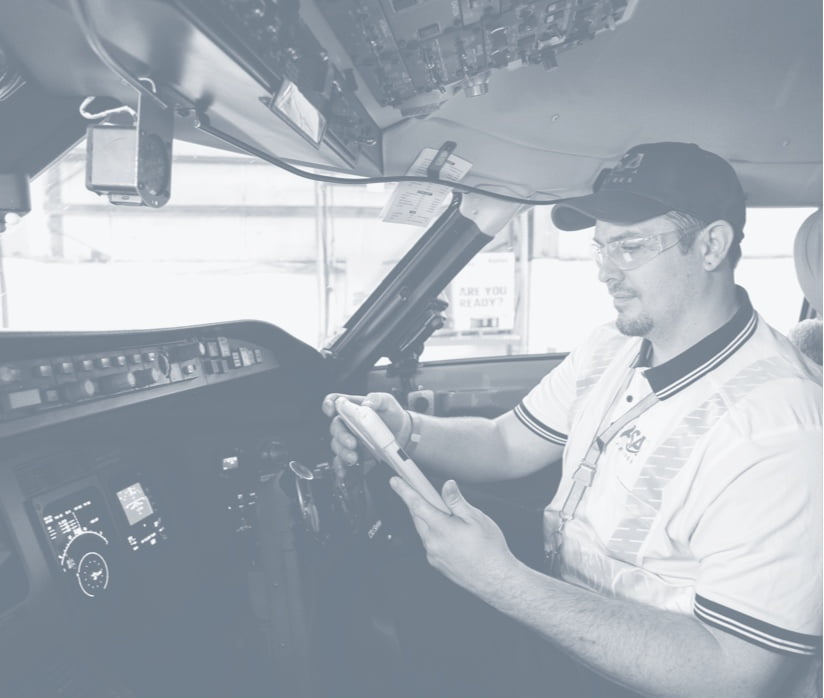
Students learn to read maintenance manuals and other technical resources, use tools correctly, inspect aircraft systems, take measurements, and troubleshoot problems according to approved procedures. They are expected to apply what they learn accurately during maintenance work rather than simply memorize facts for an exam.
For example, a student might begin with a reported problem, review the relevant system details, inspect components, take measurements, and compare the findings with approved maintenance procedures. Following that process teaches students to rely on evidence and technical guidance instead of guessing at the cause.
Accuracy is a major part of the coursework because aircraft mechanics must follow FAA requirements and detailed safety procedures. The training can be demanding, but students who study, practice, and work carefully can build confidence as they become more familiar with aircraft systems and maintenance procedures.
Career Options After A&P Certification
An A&P certificate qualifies mechanics for a range of aviation maintenance roles. New technicians may begin with scheduled inspections, troubleshooting, component replacement, or other tasks that build familiarity with specific aircraft and systems.
Early airline work develops skills that are difficult to build in a classroom or training setting. Mechanics learn how maintenance is documented, how teams coordinate across shifts, and how individual tasks support daily flight operations. With experience, they may move into specialized technical work or pursue inspection, quality, training, lead, or supervisory positions.
Start an Aircraft Maintenance Career with PSA Airlines
For candidates interested in airline maintenance, PSA Airlines offers the opportunity to put that training and certification to work on an all-jet fleet of MHI regional aircraft. Its maintenance network includes professionals from aviation maintenance schools, other employers, and military backgrounds.
Newer technicians can apply the procedures and technical skills developed during training while gaining experience in an active regional airline operation. PSA maintenance teams perform inspections, troubleshoot problems, complete repairs, document their work, and coordinate across shifts to support scheduled service.
Candidates who have completed the required training, experience, and certification can review current qualifications and openings through PSA’s Mechanics & Maintenance Careers page and explore roles that fit their background.