






Stay Current PSA Newsroom
November 20, 2026
Is Aircraft Maintenance a Good Career?
For people who enjoy hands-on tasks, technical problem-solving, and the responsibility that comes with keeping aircraft ready for service, aircraft maintenance can be a rewarding career. It offers a direct role in airline operations and opportunities to build specialized skills.
Airline maintenance does require flexibility, but the right employer can make a meaningful difference in the overall career experience. PSA Airlines supports its maintenance professionals with paid training, travel privileges, a comprehensive benefits package, and opportunities to grow while working with an all-jet fleet across the airline’s maintenance network.
What Aircraft Mechanics Do
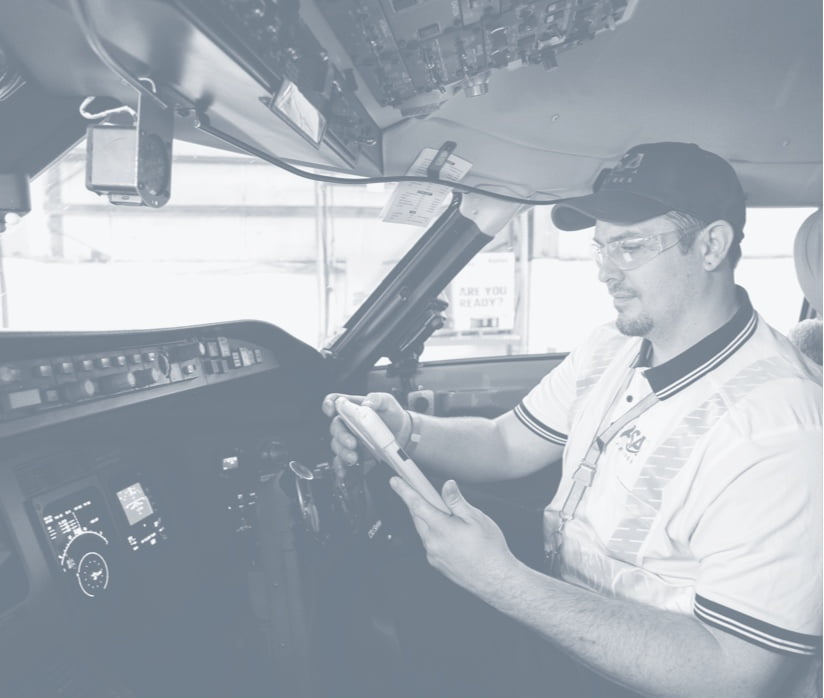
Keeping aircraft systems working properly requires mechanics to inspect components, identify problems, and complete repairs accurately. That may mean inspecting an engine, troubleshooting an electrical issue, checking landing gear, or repairing part of the aircraft structure.
Some tasks are planned in advance, while others begin when a technician finds a discrepancy or receives a maintenance report. Aviation maintenance technicians use approved information and procedures to determine what needs attention, complete the repair or inspection, and document the results. Those records give other maintenance professionals an accurate history of the aircraft’s condition and previous repairs while supporting FAA requirements and safe operations.
Technicians also coordinate with other maintenance professionals, quality teams, and flight crews when an issue needs to be diagnosed or resolved. Accurate shift handoffs and maintenance updates help the next person understand what has been found, what work has been completed, and what still needs attention. That shared information helps maintenance work continue smoothly across shifts and teams.
Benefits of an Aviation Maintenance Career
One advantage of aircraft maintenance is that the work changes from day to day. Technicians may troubleshoot a system problem, complete an inspection, replace a component, or investigate an issue reported by a flight crew. That variety can make the job appealing to people who prefer active, technical work over repetitive tasks.
The career also builds specialized skills in troubleshooting, technical reading, mechanical reasoning, and aircraft systems. Technicians can see the results of those skills firsthand when a problem is corrected or an aircraft is returned to service. That combination of technical challenge, variety, and visible results is a major part of the job’s appeal.
What PSA Airlines Offers Maintenance Professionals
PSA provides maintenance team members with benefits that include medical, dental, and vision coverage, a 401(k) and paid training. Eligible team members also receive travel privileges for themselves, family, and friends on the American Airlines network.
PSA supports technicians with onboarding, technical resources, and paid recurrent and in-house training. That training gives team members regular opportunities to build on what they already know and stay familiar with updated aircraft systems, procedures, and maintenance requirements.
Working as part of the American Airlines Group also connects PSA team members to a larger aviation network. That can mean exposure to experienced coworkers, leadership opportunities, and a broader range of aviation career paths. Candidates can review current benefits, qualifications, maintenance locations, and openings through PSA’s Mechanics & Maintenance Careers page.
Career Growth in Aircraft Maintenance
As technicians gain experience, some move into lead or inspection positions. Others become interested in supervision, training, maintenance control, quality, or management.
A technician who enjoys troubleshooting may choose to deepen technical expertise, while someone who likes coordinating people and projects may pursue leadership. At PSA, supporting MHI regional aircraft in an active airline environment can expose technicians to different maintenance situations and responsibilities as their careers develop.
Challenges of Working in Aviation Maintenance
The physical side of maintenance can be demanding. Mechanics may spend time standing, bending, climbing, lifting, or working in tight spaces. Depending on the assignment, the job may take place inside a maintenance facility or outside on an airfield.
Because airline operations continue at night, on weekends, and during holidays, maintenance teams may work rotating or less conventional shifts. Technicians must also follow detailed procedures and complete tasks accurately because their decisions can affect aircraft safety and availability.
Training and FAA Certification
Many airline mechanics earn an FAA Aviation Mechanic certificate with Airframe and Powerplant ratings, commonly known as an A&P certificate. Candidates may attend an FAA-certificated Aviation Maintenance Technician School, qualify through practical experience, or use applicable military training.
The certification process includes FAA knowledge tests, along with oral and practical exams. Training gives candidates a foundation in aircraft systems while helping them develop the hands-on skills needed to inspect, troubleshoot, and maintain aircraft. Holding both Airframe and Powerplant ratings allows mechanics to perform a broad range of tasks within the privileges of the certificate.
Is Aircraft Maintenance Right for You?
People who like understanding how mechanical systems work and working through problems methodically may find aircraft maintenance a good fit. Patience, attention to detail, and comfort following technical procedures are important because technicians often need to trace a problem carefully before identifying the correct repair or next maintenance step.
The career is less likely to suit someone who strongly prefers a traditional daytime schedule, low-pressure work, or a job with few physical demands. For people comfortable with those tradeoffs, aircraft maintenance can offer meaningful technical work and several directions for career growth.
Build an Aircraft Maintenance Career with PSA Airlines
Through 10 maintenance facilities across its network, PSA supports an all-jet fleet of MHI regional aircraft. PSA maintenance team members come from aviation schools, other airlines, and military service.
Qualifying service members and veterans can learn about PSA’s Maintenance Military Transition Program and the support available for moving military maintenance experience into civilian aviation.
If aircraft maintenance fits your skills and career goals, review PSA’s current qualifications, programs, and openings to explore available opportunities.