




Stay Current PSA Newsroom
February 22, 2026
Airline Maintenance Qualifications
Airline maintenance plays a direct role in keeping every flight operating safely, reliably, and on schedule. Behind each aircraft departure is a team of trained professionals who inspect, troubleshoot, and maintain aircraft systems under strict regulatory oversight. When we talk about airline maintenance qualifications, we are describing the education, certifications, experience, and skills required to work on commercial aircraft in an airline environment.
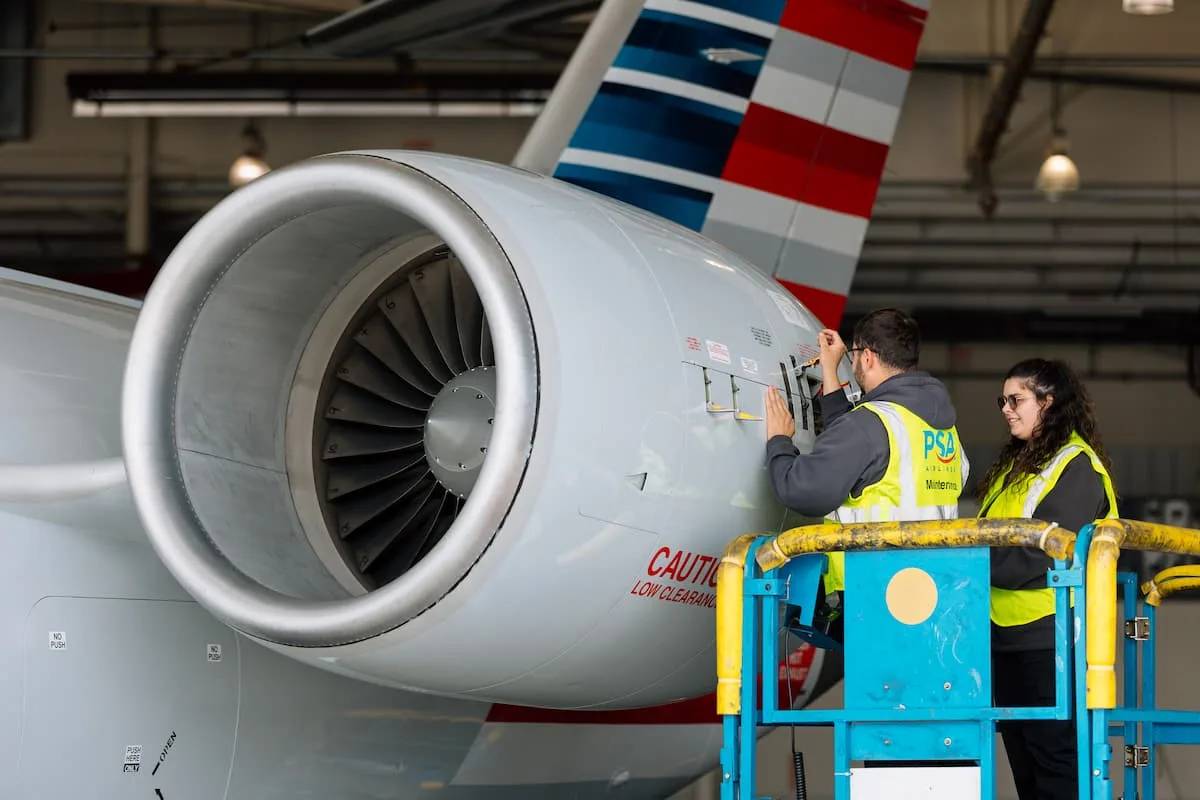
At PSA Airlines, maintenance is an integral part of daily operations. Our maintenance professionals support aircraft readiness around the clock, working within structured processes that align with regulatory standards and operational needs. Each inspection, repair, and sign-off contributes to dependable service for our passengers and crews. Understanding what it takes to qualify for airline maintenance helps prospective technicians see how their skills fit into this larger operation.
For individuals considering a career in aviation maintenance, understanding these qualifications is a critical first step. Airlines operate within detailed federal regulations and internal standards designed to support safety and operational consistency. Maintenance professionals must be prepared to meet these expectations through technical knowledge, documentation discipline, and teamwork.
This guide explains what it means to be qualified for airline maintenance, how technicians reach that point, and how PSA Airlines evaluates applicants who want to join our maintenance team.
What Is Considered “Qualified” for Airline Maintenance
Being qualified for airline maintenance involves meeting both regulatory requirements and airline operational standards. In the United States, aircraft maintenance professionals must comply with Federal Aviation Administration guidelines that govern how aircraft are inspected, repaired, tested, and documented.
Baseline eligibility typically includes meeting minimum age requirements, demonstrating English language proficiency for technical communication, and having authorization to work in the United States.
From there, qualification centers on technical readiness and regulatory compliance. Maintenance professionals must follow approved maintenance manuals, use certified tools and parts, and complete accurate documentation for every task performed. These practices support traceability and accountability throughout an aircraft’s service life.
Qualification also means understanding how maintenance fits into daily airline operations. Maintenance teams work in structured environments that support flight schedules, dispatch requirements, and ongoing safety oversight. Tasks are often time-sensitive and require coordination across departments.
At PSA Airlines, we view qualification as a combination of technical preparation, regulatory awareness, and readiness to work within a fast-paced airline setting where consistency and communication matter.
Common Pathways to Qualification
There are multiple pathways into aviation maintenance, and individuals often arrive through different educational and experiential routes. Each pathway leads toward the same goal of regulatory compliance and technical capability.
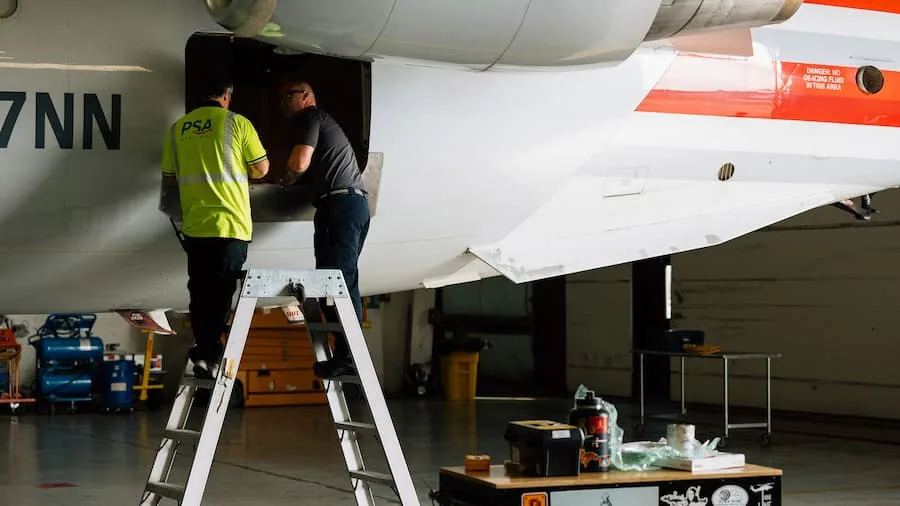
One common option is enrolling in an FAA-certified Aviation Maintenance Technician School. These programs provide structured instruction covering aircraft systems, maintenance procedures, troubleshooting techniques, and safety practices. Students are required to complete classroom learning alongside hands-on lab work designed to reflect real maintenance environments. This combination helps future technicians become familiar with tools, manuals, inspection processes, and technical terminology used in airline operations.
Another route involves gaining qualifying experience through supervised on-the-job training. Some individuals build required experience by working in approved maintenance facilities while documenting hours and tasks. This approach allows technicians to learn directly in operational settings while developing practical skills under guidance.
Alternate Backgrounds and Transferable Experience
Not every maintenance professional begins with traditional aviation education. Candidates with military maintenance backgrounds often bring strong technical training, structured documentation habits, and experience working within regulated systems. Military environments emphasize accountability, procedural discipline, and teamwork, which align closely with airline maintenance expectations.
Other mechanical or technical trades may also provide transferable skills. Electrical work, industrial maintenance, automotive repair, and heavy equipment servicing can build mechanical reasoning, system awareness, and troubleshooting ability. Individuals from these fields often have experience reading schematics, using diagnostic tools, and following safety procedures.
Understanding regulatory requirements and completing required certification steps remains essential for all candidates. Transitioning into aviation also involves learning industry-specific terminology, maintenance manuals, and documentation standards. With preparation and continued learning, individuals from nontraditional paths can successfully build aviation maintenance careers in airline environments.
Key Certifications and Licenses
Most airline maintenance positions require FAA certification. The Airframe and Powerplant credential remains the most widely recognized qualification for working on commercial aircraft.
To earn certification, candidates must meet experience or education requirements and successfully complete written, oral, and practical exams. These evaluations assess system knowledge, troubleshooting ability, and hands-on skill across a wide range of aircraft components and maintenance tasks. Some technicians earn airframe or powerplant ratings individually, while others complete both to broaden their scope of work.
For an aircraft maintenance technician, certification represents verified competence aligned with federal standards. Airlines rely on this certification process to maintain consistency across maintenance teams and to support safe operations throughout the fleet. Holding proper credentials also signals readiness to work within environments where precision, documentation, and procedural discipline are part of everyday responsibilities.
Skills and Personal Qualities Employers Look For
Technical credentials matter, but airlines also look for personal qualities that support consistent, high-quality maintenance work in real operational settings.
Maintenance professionals who succeed in airline environments often demonstrate the following:
- Mechanical aptitude
The ability to understand how aircraft systems interact and respond when something is not functioning as expected. - Attention to detail
Precision is critical during inspections, repairs, and documentation, especially when working with complex aircraft systems and technical manuals. - Problem-solving skills
Evaluating discrepancies, interpreting maintenance instructions, and selecting approved solutions are part of daily work. - Teamwork and communication
Maintenance professionals work closely with technicians, supervisors, and operations staff. Clear communication supports accurate task completion and smooth shift transitions. - Adaptability and willingness to learn
Aviation technology and procedures change over time. Being open to new information and updated practices supports ongoing development. - Strong documentation habits
Accurate records support accountability, continuity across shifts, and alignment with regulatory and airline expectations.
These qualities help technicians contribute effectively within structured airline maintenance operations.
Experience and On-the-Job Training Requirements
Experience reinforces technical knowledge and prepares technicians for real-world maintenance scenarios. Whether gained through formal education or hands-on work, experience helps bridge the gap between theory and application while building familiarity with aircraft systems and maintenance procedures.
FAA-approved schools combine instruction with required practical hours, allowing students to work directly with aircraft components, tools, and technical manuals. These experiences help students understand how classroom concepts translate into real maintenance tasks.
On-the-job training builds further familiarity with airline workflows, documentation systems, and operational expectations, including shift transitions and coordination with flight operations. Working under supervision allows technicians to observe how maintenance decisions affect aircraft readiness, scheduling, and return-to-service processes.
Hands-on experience also helps technicians develop consistency in task sequencing, troubleshooting, and recordkeeping. Airlines value candidates who can demonstrate documented training alongside practical exposure that reflects the pace, responsibility, and structure of commercial aircraft maintenance environments.
How PSA Airlines Evaluates Maintenance Applicants
Safety, regulatory compliance, and operational readiness guide how we evaluate maintenance applicants. Certification and documented training serve as key starting points, but we also look closely at how candidates align with airline-specific maintenance expectations and workplace standards.
We consider previous experience with structured maintenance programs, transport-category aircraft, or other regulated environments where accuracy and procedural discipline are required. Familiarity with maintenance documentation, quality systems, and approved manuals is important, as airline maintenance relies heavily on precise recordkeeping and adherence to established processes.
Equally important is readiness for the pace and structure of airline work. Maintenance teams operate across multiple shifts, including nights, weekends, and holidays, and must coordinate closely with departments such as operations, engineering, and quality assurance. Communication, time management, and adaptability play a significant part in daily success.
We also value a strong commitment to learning and professional development. Aircraft fleets evolve, procedures are updated, and maintenance teams receive ongoing training. Candidates who show openness to continued training and respect for safety programs are well positioned to grow within our maintenance organization.
Understanding Maintenance Leadership and Oversight
Some professionals choose to advance into leadership roles that focus on coordination, scheduling, and compliance oversight. Aviation maintenance management involves guiding teams, managing workloads, and supporting adherence to maintenance programs, safety systems, and regulatory requirements. These positions help translate operational priorities into daily maintenance activity across line and hangar environments.
These positions often require additional experience and a strong understanding of both technical operations and organizational processes. Leaders must balance staffing needs, aircraft availability, and maintenance priorities while maintaining consistent communication with operations, engineering, and quality teams. Effective leaders understand how maintenance decisions influence flight schedules and work proactively to support smooth operations.
At PSA Airlines, maintenance leaders play an active role in supporting technicians on the floor. They provide guidance, share technical insight, and help remove obstacles that affect workflow. Leadership roles also support training initiatives, mentorship, and standard work practices, helping technicians grow while maintaining consistency across shifts and locations. Through clear direction and collaboration, maintenance leadership contributes to reliable maintenance operations across the fleet and a positive team environment.
Next Steps for Interested Applicants
For individuals considering airline maintenance careers, preparation begins with understanding current qualifications and identifying areas for growth. Taking a thoughtful, step-by-step approach can make the path into airline maintenance clearer and more manageable, especially when paired with the right support.
Here are a few practical steps to help you get started:
- Review your background
Take time to assess your education, certifications, and hands-on experience. Understanding where you are today helps clarify what additional steps may be helpful as you prepare for an airline maintenance role. - Evaluate certification and training needs
Determine whether additional coursework, testing, or documented experience is required to meet FAA or airline expectations. Comparing training pathways can help you choose an option that fits both your timeline and career goals. - Research approved programs and experience pathways
FAA-approved schools, structured development programs, and supervised experience routes all provide ways to build readiness for airline maintenance environments. - Prepare your documentation early
Gathering transcripts, certificates, work history, and training records ahead of time can simplify the application process and support more productive conversations with recruiters.
At PSA, we are proud of the team behind our operation. As a member of the American Airlines Group, we support a growing regional network with an all-jet fleet, serving communities across the United States. Our organization is built on collaboration, accountability, and respect for the people who keep our operation moving every day.
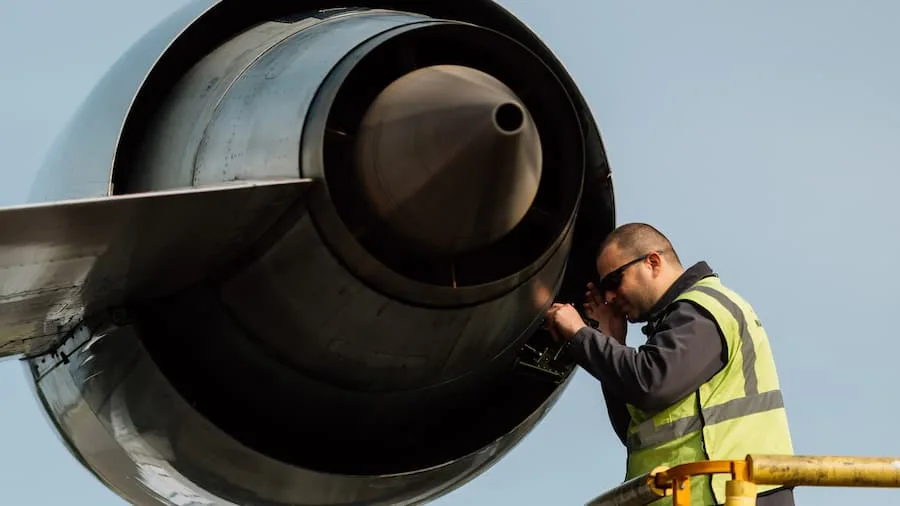
Maintenance professionals are an essential part of that team. Their work directly supports flight crews, passengers, and fellow employees, and it is highly visible within our operation. We value individuals who take pride in their work, communicate clearly, and want to grow within a structured airline environment.
We offer structured support for individuals entering the field, including our aviation maintenance pathway program, which helps candidates prepare for airline maintenance roles through guided development and training opportunities. You can also explore current openings and learn more about our teams through our aircraft maintenance careers.
If you are looking for a place where your skills are valued and your growth is supported, we offer a path forward in airline maintenance.