





Stay Current PSA Newsroom
April 28, 2026
What Do Flight Dispatchers Do?
Behind every smooth departure and safe arrival is a team working well beyond the cabin and cockpit. One of the most important players in that process is the flight dispatcher. At PSA Airlines, dispatchers are trusted aviation professionals who help every flight take off with a solid plan and constant support. They play a vital part in daily operations, working closely with pilots, crews, and operations teams to keep flights moving safely and efficiently.
Here, we’ll answer the question, “what do flight dispatchers do” and go over why their work matters so much to commercial aviation.
What Is a Flight Dispatcher?
A flight dispatcher is a licensed aviation professional who shares legal responsibility for the safety and planning of a flight. In simple terms, dispatchers help plan each flight before departure and support it until the aircraft is safely parked at the gate. They review weather, fuel needs, routing options, and operational limits to build a flight plan that works for both flight safety and efficiency.
In the United States, dispatchers operate under Federal Aviation Administration regulations, including FAR Part 121 for commercial airlines. They hold an FAA Aircraft Dispatcher Certificate, which allows them to release flights jointly with the captain. This means an aircraft cannot depart without approval from both the dispatcher and the pilot in command. That shared responsibility is a key part of how airlines manage risk and maintain high operational standards.
The Dispatcher’s Core Responsibilities
The work of an aircraft dispatcher touches nearly every phase of a flight. While no two days look the same, the core responsibilities stay consistent and focused on planning, monitoring, and support.
Flight planning and routing are at the heart of the job. Dispatchers evaluate wind patterns, weather systems, air traffic flow, and airport conditions to select the best route for each flight. The goal is to balance safety, fuel efficiency, and on-time performance while staying within all operational rules.
Weight and balance calculations are another major responsibility. Dispatchers confirm that each aircraft operates within approved limits based on passenger counts, cargo, fuel load, and the specific aircraft assigned. These calculations help crews maintain proper performance during takeoff, flight, and landing.
Fuel planning requires careful judgment. Dispatchers calculate the fuel needed for the planned route, alternate airports, expected weather, and potential delays. This planning accounts for required reserves and real-world conditions that may change throughout the day.
Weather analysis plays a constant role in dispatch decisions. Dispatchers review METARs, TAFs, and NOTAMs to identify storms, turbulence, icing, and airport restrictions. They look beyond departure conditions and assess the entire route and destination window.
Flight release and legal authority are defining aspects of the job. Dispatchers issue the official dispatch release, which authorizes the flight to operate. This document confirms that all planning requirements have been met and that the flight complies with regulations.
Once the aircraft is airborne, in-flight monitoring begins. Dispatchers track progress in real time, watch for changing weather or airport conditions, and assist crews with reroutes, diversions, or delay decisions if needed. When unexpected events occur, dispatchers help crews adapt quickly and calmly.
How Dispatchers Work with Pilots & Crew
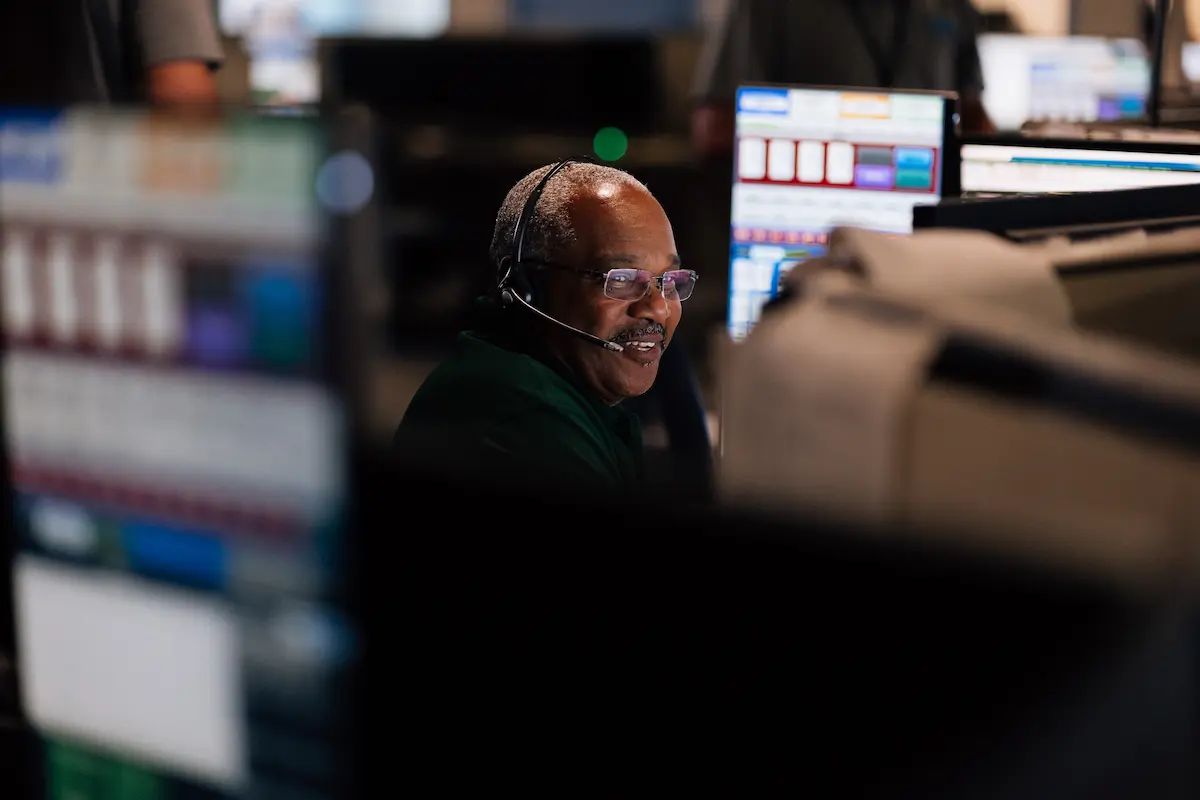
Dispatchers and pilots function as a unified team. Before departure, they review flight plans together, discuss weather concerns, and agree on fuel and routing strategies. This collaboration allows both sides to bring their expertise to the table and build a shared understanding of the flight ahead.
During the flight, dispatchers stay in communication with crews through approved channels. If weather develops along the route or conditions change at the destination, dispatchers provide updated information and options. They may suggest alternate routes, revised arrival plans, or delay strategies that support safe decision-making.
This partnership creates an operational safety net. Pilots focus on flying the aircraft, while dispatchers maintain a broader system view across multiple flights. Together, they make informed choices that support passengers, crews, and the airline as a whole.
The Importance of Safety & Regulations
Safety and compliance guide every dispatcher decision. Under FAR Part 121, dispatchers and captains share joint responsibility for the operational control of a flight. This dual accountability adds an extra layer of review and oversight before and during each flight.
Regulations define how dispatchers plan flights, calculate fuel, assess weather, and monitor progress. They also require clear documentation and communication at every stage. By following these standards, dispatchers help airlines manage risk, respond to changing conditions, and maintain consistent operational performance across the network.
Technology & Tools Dispatchers Use
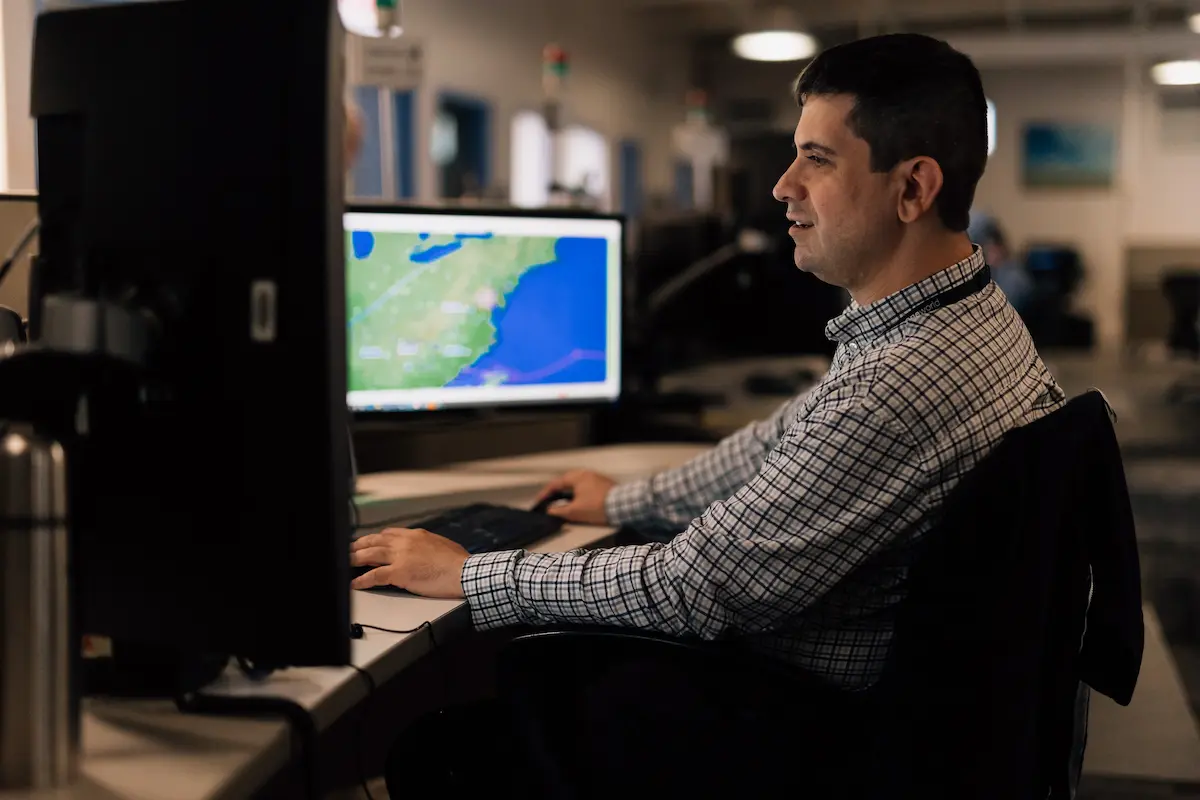
PSA’s dispatchers rely on advanced technology to support fast, accurate decisions. Dispatchers use flight planning software to evaluate routes, fuel needs, and performance data. Real-time tracking systems allow them to follow aircraft progress and spot developing issues early.
Weather tools provide detailed views of storms, winds, and forecasts across large regions. Communication platforms connect dispatchers with pilots, maintenance teams, and other airline operations groups, allowing information to flow quickly when it matters most. These tools help dispatchers stay proactive rather than reactive.
Dispatcher Skills & Certifications
Becoming a flight dispatcher requires a mix of technical knowledge and practical judgment. Candidates complete specialized training programs and earn an FAA Aircraft Dispatcher Certificate. This training covers meteorology, regulations, aircraft systems, navigation, and flight planning.
Strong decision-making skills are essential. Dispatchers analyze complex information, manage time-sensitive situations, and communicate clearly under pressure. Attention to detail, teamwork, and a calm approach support success in this fast-paced environment.
Why Flight Dispatchers Matter in Aviation
Dispatchers are a vital link between planning and execution in commercial aviation. Their work supports safe operations, reliable schedules, and informed decision-making across the airline. At PSA Airlines, flight dispatch professionals help keep our flights moving and our crews supported every step of the way.
If you are interested in a behind-the-scenes career that makes a real impact, check out the latest opportunities across our airline operations teams. You can also learn more about the aircraft fleet our teams support every day.
Let your career take off and make PSA your career destination.